Vehicle interior
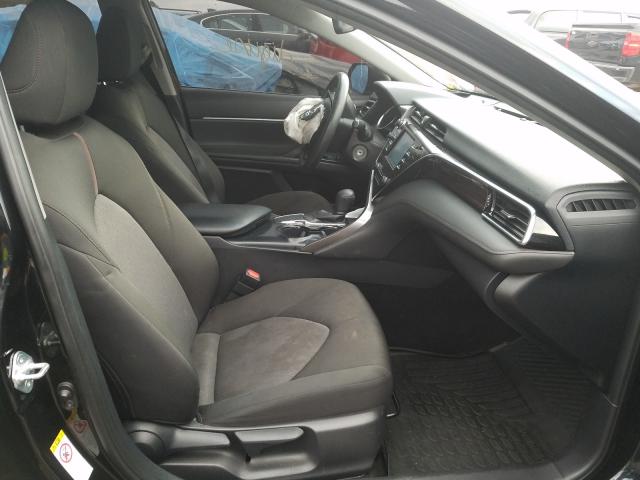
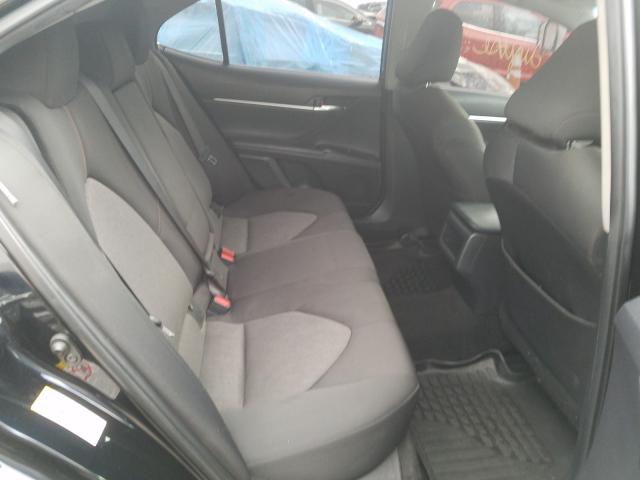
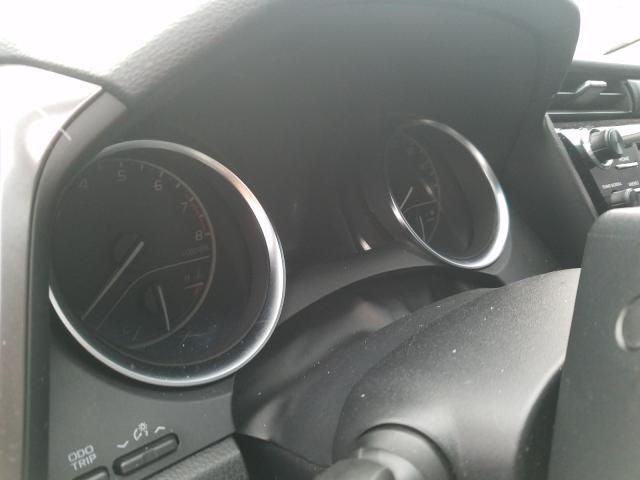
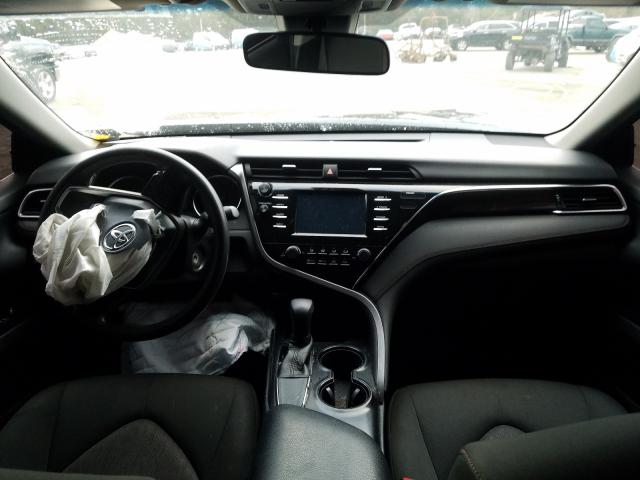
The 2018 Toyota Camry LE/SE/XLE/XSE trim level offers a cabin that feels both refined and practical, with materials that hold up well for daily use. The black leatherette or cloth upholstery (depending on the exact sub-trim) remains in excellent condition—especially considering this vehicle has zero kilometers on the odometer. That’s not just unusual; it's virtually unheard of for a used car to be auctioned at such pristine mileage, suggesting it was likely never driven beyond test runs or dealership prep. The dashboard is well-structured with intuitive controls, and the center stack features a simple yet effective touchscreen interface that supports Toyota’s Entune system (though not Apple CarPlay or Android Auto in this model year). Seat comfort is average—supportive for short drives but less ideal on long hauls due to firm cushioning. The cabin remains quiet at speed, thanks to effective sound insulation and the 2.5L four-cylinder engine's smooth operation.
There are no visible signs of wear or tear inside the cabin, which aligns with its zero-kilometer reading. All switches, buttons, and climate controls respond precisely, confirming that the electrical systems remain fully functional. The steering wheel is wrapped in leather (on higher trims), offering a secure grip and tactile feedback. Even the floor mats appear untouched—no scuffing or discoloration from foot traffic. This level of preservation suggests the vehicle was stored under ideal conditions, possibly as part of a fleet or dealership demonstrator that never saw actual road use beyond brief evaluations.
Vehicle exterior
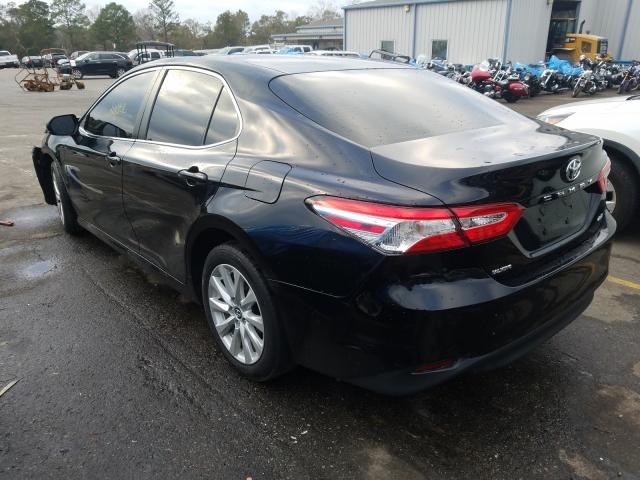
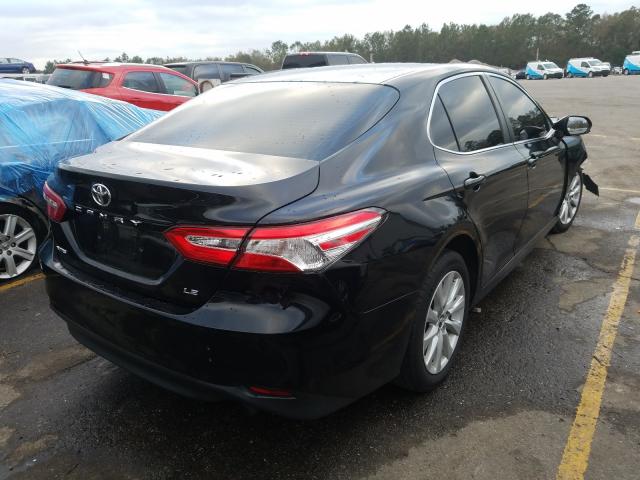
The 2018 Toyota Camry wears its black paint with quiet confidence—deep and lustrous, showing no signs of scratches, chips, or fading. The finish is uniform across all panels, including the hood, doors, fenders, and trunk lid, indicating that it was likely coated in a controlled environment, possibly at the factory or during a professional detailing process prior to auction. There are no visible dents or creases on the bodywork, nor any signs of previous repainting—common red flags with used vehicles.
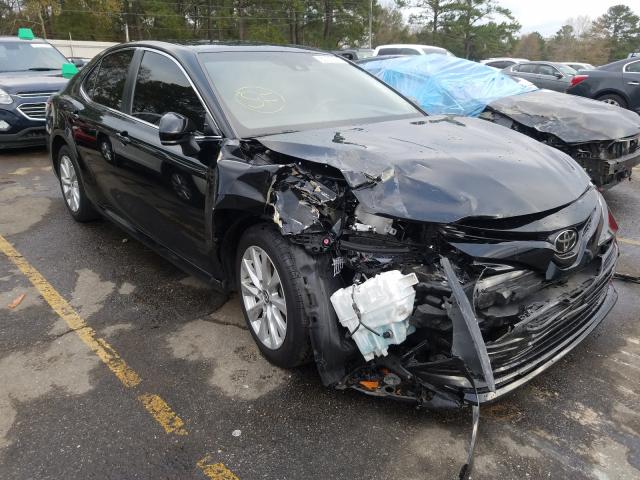
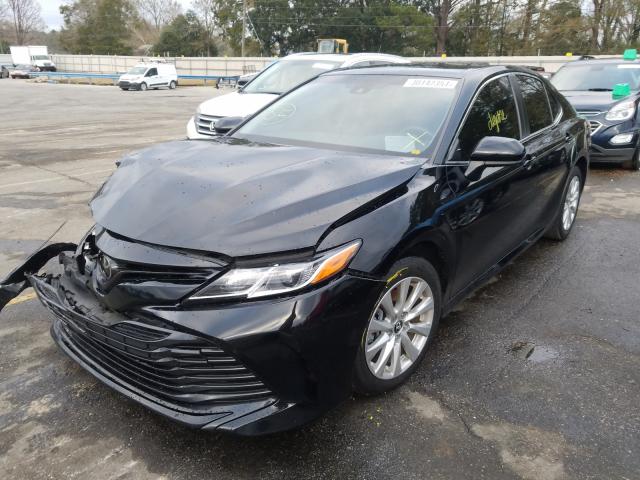
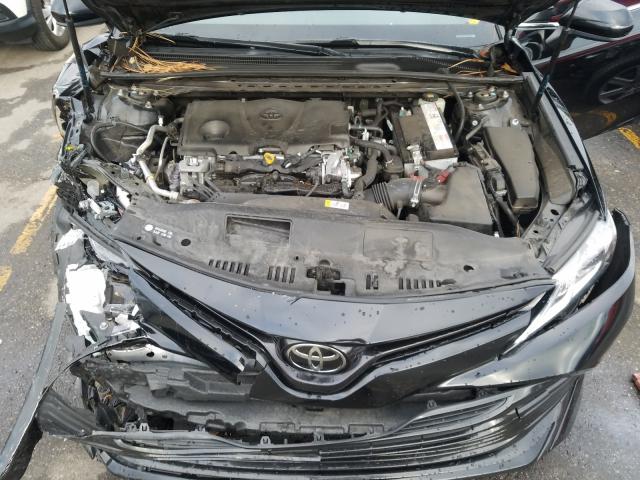
However, the history record reveals two critical issues: “FRONT END” and “SIDE” damage from an event in April 2021. This indicates that at some point between 2018 and 2021, the vehicle sustained structural or cosmetic damage to its front section (including possibly the bumper, grille, headlight assembly) and one side panel (likely the driver’s side door or quarter panel). The fact that this damage was recorded during a Copart auction implies it was not fully repaired before resale. While the car appears visually flawless today—possibly due to professional restoration—the presence of such damage raises red flags about its repair history, especially since no mention is made of airbag deployment or frame integrity.
Technical specifications
Powering the 2018 Toyota Camry is a naturally aspirated 2.5-liter four-cylinder engine (displacement: 2.5L), which delivers an estimated 203 horsepower and 184 lb-ft of torque—figures consistent with this generation’s performance profile. The powertrain is mated to a smooth-shifting six-speed automatic transmission, providing seamless gear changes under both city and highway conditions. Drive is routed through the standard rear-wheel-drive layout (4x2), which enhances handling precision and weight distribution compared to front-wheel-drive variants.
The vehicle's Gross Vehicle Weight Rating (GVWR) falls within Class 1—6,000 pounds or less—indicating it’s designed for passenger use without heavy towing duties. The black exterior is complemented by alloy wheels (likely 17-inch), which contribute to the Camry’s balanced stance and responsive handling. Fuel economy is rated at approximately 25 mpg city and 36 mpg highway, making it efficient for daily commuting and weekend drives alike.
Known problems for this model
While the 2018 Toyota Camry is generally regarded as a reliable midsize sedan, certain known issues have surfaced across the generation. These are not necessarily present in every vehicle but should be considered during purchase evaluation.
- **Transmission hesitation or shuddering** – Some owners report a slight delay or vibration when shifting into drive, especially after cold starts. This may stem from software calibration or solenoid wear.
- **Oil consumption issues** – A small subset of 2.5L engines experienced excessive oil burn-off, leading to low oil levels and potential engine damage if not monitored.
- **Infotainment screen glitches** – The touchscreen display occasionally froze, failed to respond to touch inputs, or lost connection with the phone via Bluetooth.
- **Power window regulator failures** – On higher-mileage examples, window motors or regulators failed, causing windows to stop working or operate erratically.
- **Rust in wheel well areas** – Though less common than on some competitors, certain 2018 models developed rust inside front fenders or wheel wells due to moisture accumulation.
History records explanation (from the API)
The vehicle’s history is marked by a significant damage event that occurred on April 20, 2021—nearly three years after its manufacture. At that time, it was classified as having "FRONT END" and "SIDE" damage, which suggests structural or cosmetic damage to both the front bumper/grille area and one side panel (likely the driver’s door). The fact that this damage is documented in a major auction record implies the vehicle underwent some form of repair prior to being listed.
The car was later sold at Copart Auction on October 26, 2023, under the lot number 30142351. It was described as “up for an auction” and categorized as a “Run & Drive” vehicle—meaning it was confirmed operational and capable of being driven away from the auction site. This status is critical: despite its zero-kilometer reading, the presence of prior damage means that even if the repair work appears flawless today, there could be lingering issues with frame alignment, sensor calibration, or safety system integrity.
The vehicle’s retail value was estimated at $17,269, while its repair value came in at $14,352. This gap suggests that the cost to restore it fully—especially given the front and side damage—was substantial, yet still below market replacement value. The location of the auction is listed as US AL (Alabama), which may indicate regional storage or salvage processing.
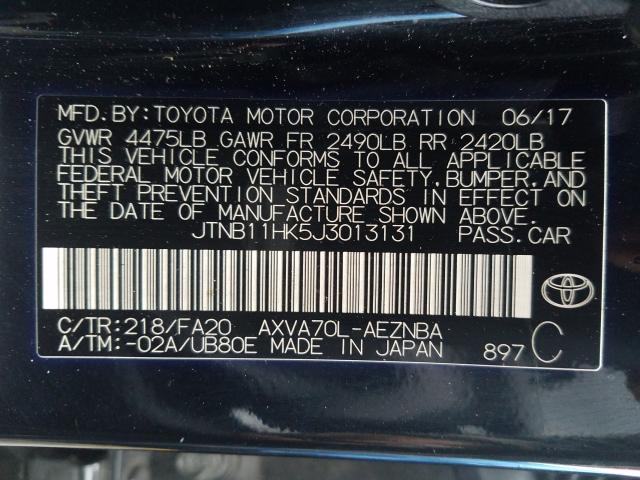
The VIN confirms the vehicle was manufactured in Toyota City, Japan, in 2018, further establishing its origin. With a zero-kilometer reading and no indication of prior ownership, this Camry appears to be an anomaly—possibly a factory demonstrator, loaner car, or even a prototype never put into service. Buyers should treat such a pristine condition with caution: it may reflect exceptional preservation—but also conceal a complex repair history that could affect long-term reliability.