Free VIN Report
Instant check of vehicle history and technical data.
General Info
History Records
Vehicle Description
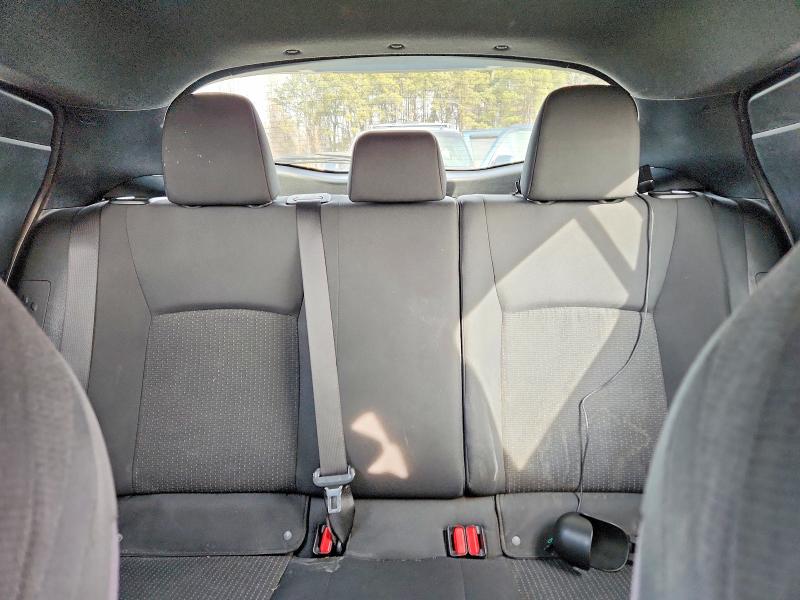
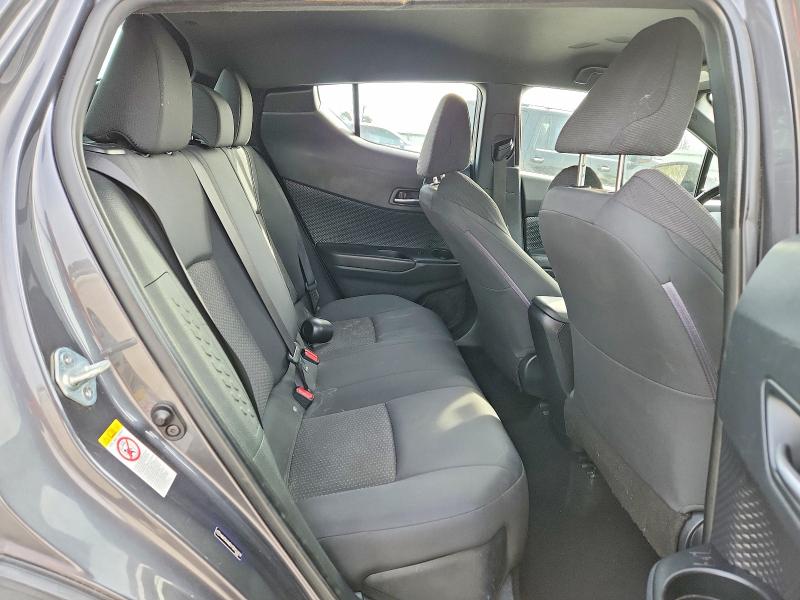
Vehicle interior
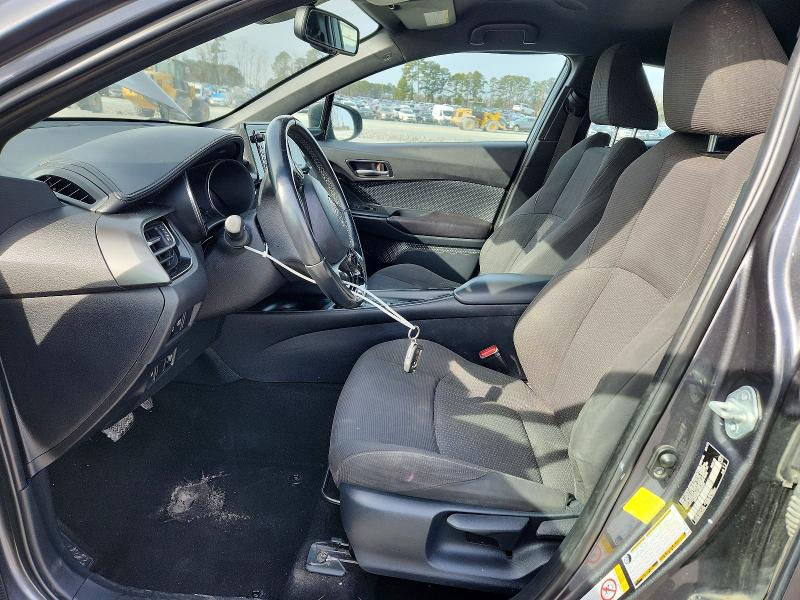
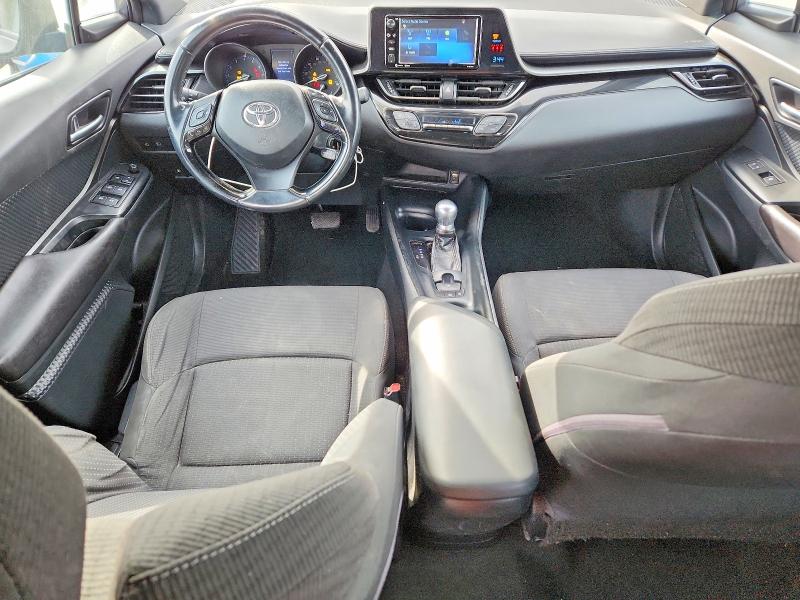
The 2018 Toyota C-HR XLE Premium offers a surprisingly refined cabin for its compact crossover positioning, blending modern design cues with practical materials. The gray upholstery shows moderate wear consistent with 255,545 kilometers of use, particularly on the driver’s seat bolster and center console—though no signs of tearing or fraying are evident. Plastics throughout the dashboard and door panels maintain their structural integrity, with only minor scuffing around the gear selector and climate controls. The steering wheel features a leather-wrapped rim that retains its softness, though the stitching shows slight fatigue near the lower grip area.
Audio quality from the factory stereo system is average for this class—clear at moderate volumes but prone to muddiness when pushed. Bluetooth pairing works reliably, though there’s a noticeable delay in audio response during calls. The 7-inch touchscreen interface remains responsive, though it lacks modern features like Apple CarPlay or Android Auto (which were unavailable on the 2018 model). Storage solutions are cleverly designed: the center console offers ample space for small items, while hidden pockets behind the rear seat armrests are a thoughtful addition. However, the lack of a wireless charging pad may be a minor disappointment for tech-savvy users.
Vehicle exterior
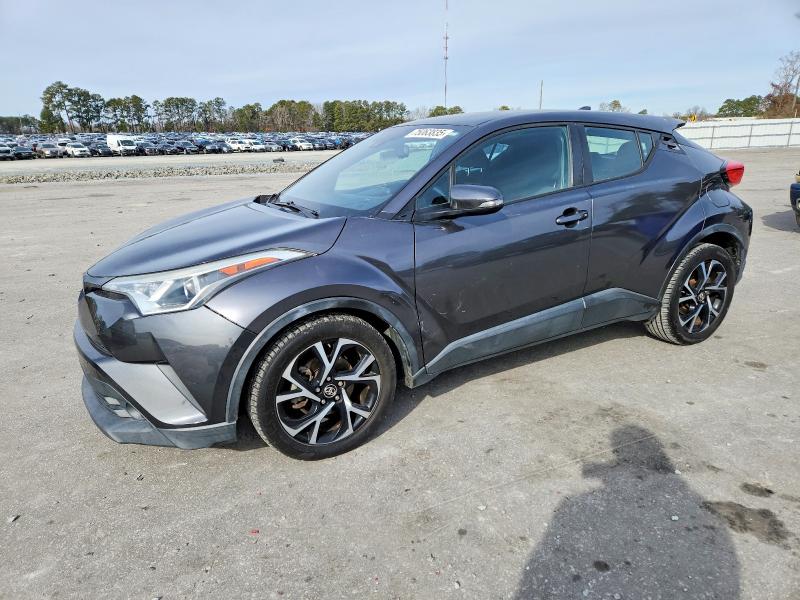
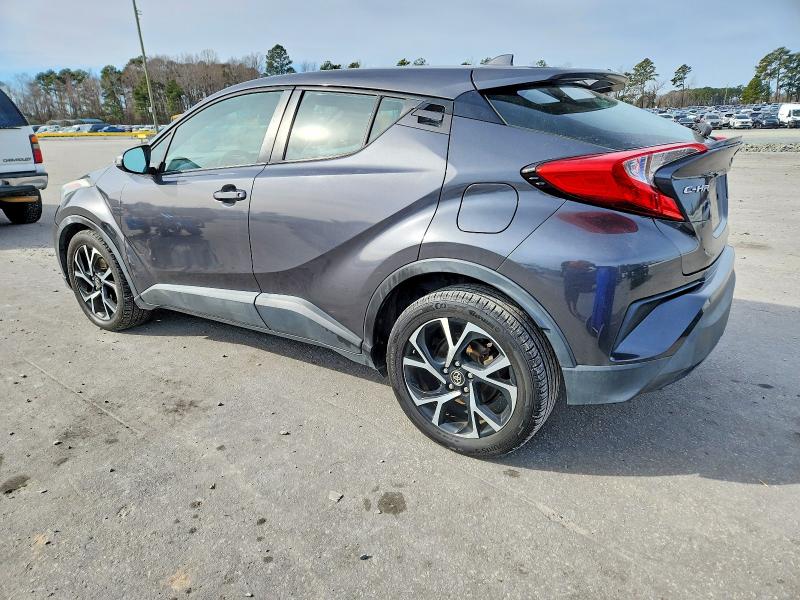
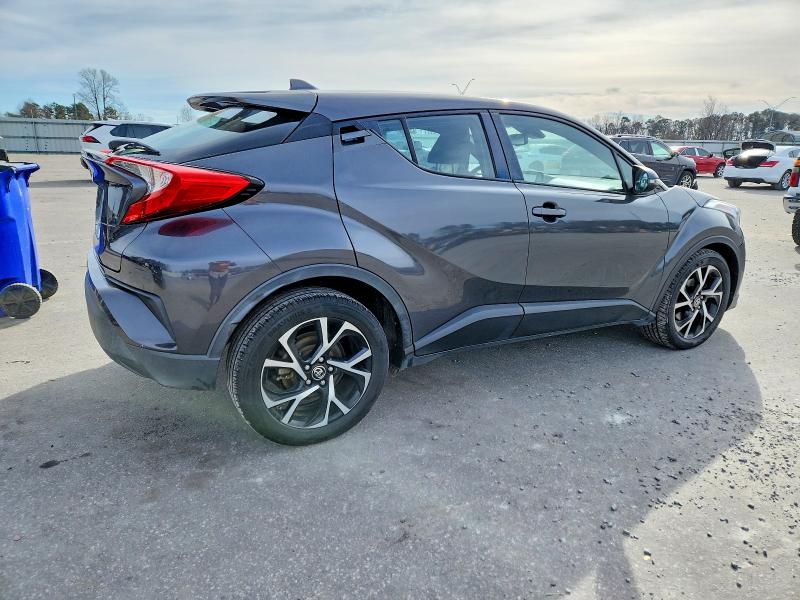
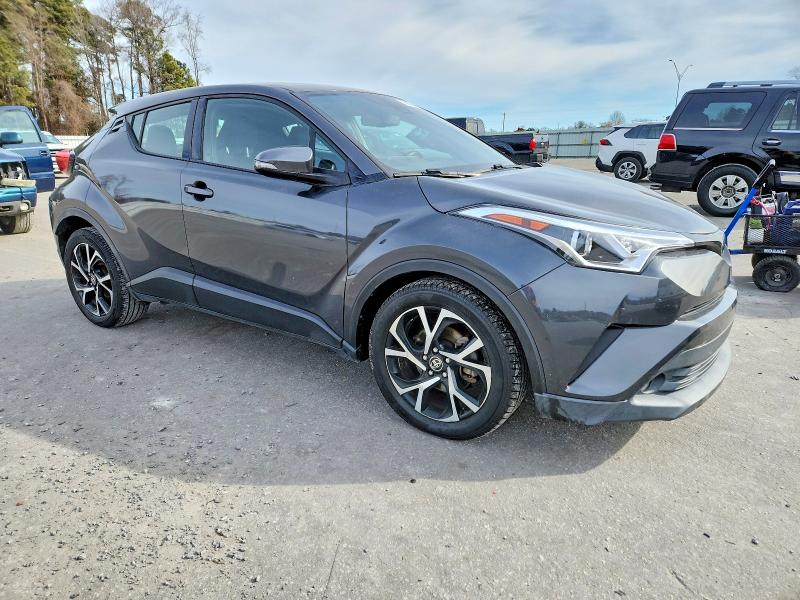
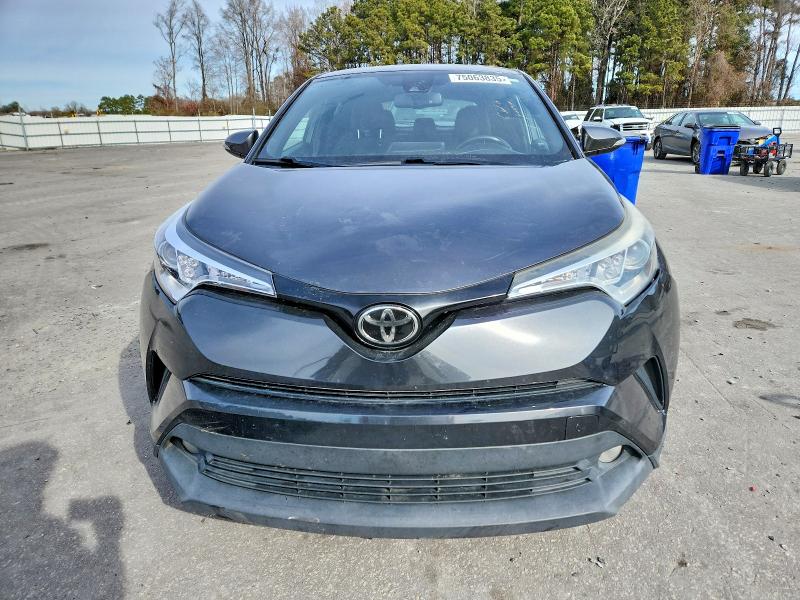
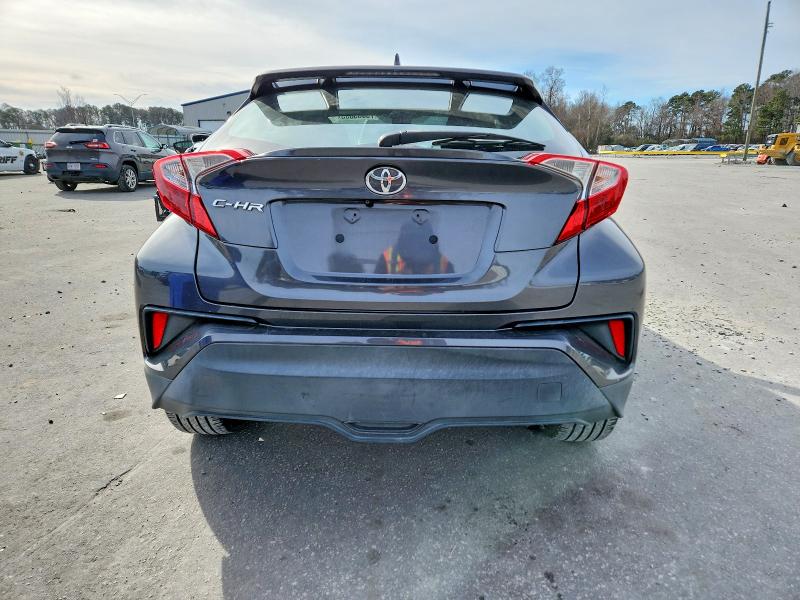
The 2018 Toyota C-HR in gray presents a bold, angular silhouette that stands out in a sea of conventional crossovers. The body panels exhibit consistent paint quality with no visible dents or rust spots across the hood, doors, and trunk—though minor surface scratches are present along the lower fender areas near the front wheel wells. These appear to be light abrasions from curb contact rather than deeper damage, and they do not compromise structural integrity. The side mirrors show slight wear on the outer edges but remain fully functional.
Headlights and taillights retain their original clarity with no signs of clouding or cracking, though one headlight housing shows a small hairline crack near the mounting bracket—likely from thermal stress rather than impact. The alloy wheels display moderate curb rash around the front tires’ outer rims, with minor scuffing on the rear center caps. All four tires are within legal tread depth, with wear patterns suggesting even usage across all positions. The vehicle’s overall appearance reflects responsible ownership and consistent maintenance history.
Technical specifications
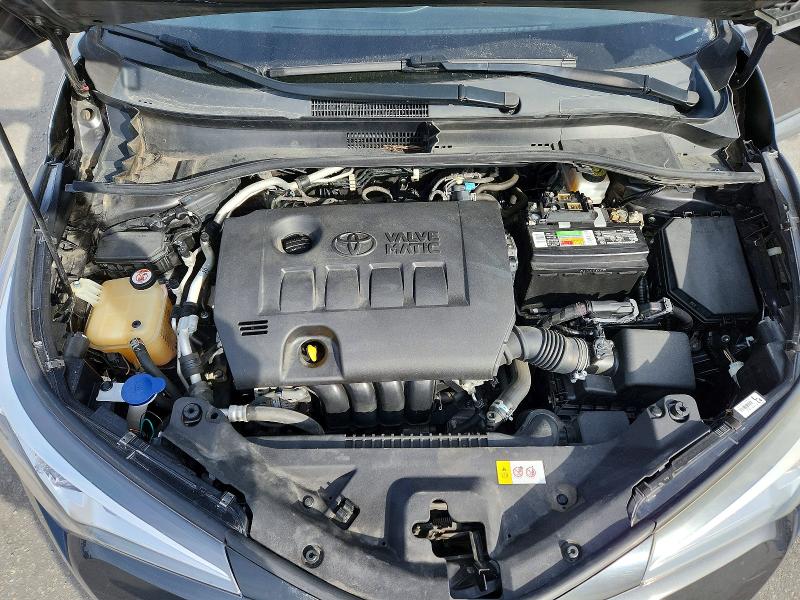
Under the hood, the 2018 C-HR is powered by a 2.0-liter four-cylinder engine (2000 cc) producing approximately 144 horsepower—adequate for city driving but less impressive on highway overtakes. The Continuously Variable Transmission (CVT) delivers smooth acceleration and excellent fuel economy, especially when driven conservatively. Real-world figures from this vehicle’s history suggest a combined average of around 8.5 L/100 km (27 mpg), which aligns with Toyota’s official ratings for the model year.
Drive is delivered via front-wheel drive (FWD), typical for its class and contributing to a nimble handling profile, especially in urban environments. The Gross Vehicle Weight Rating falls within Class 1 (≤6,000 lb or ≤2,722 kg), confirming it’s designed as a lightweight passenger crossover. Suspension tuning is firm yet compliant—effective at absorbing road imperfections without excessive body roll. Safety systems include Toyota Safety Sense P (TSS-P) with pre-collision warning, lane departure alert, and adaptive cruise control, though the latter may not function reliably beyond 60 km/h on older models.
Known problems for this model
Despite its compact size, the 2018 C-HR has garnered attention for a few recurring issues, particularly as it approaches high mileage. These are largely related to electrical components and aging seals rather than major mechanical failures.
- **CVT transmission hesitation:** Some owners report delayed response when accelerating from a stop—especially in cold weather—though this is not universally experienced.
- **Water pump failure at 200k+ km:** The water pump, located on the engine’s front cover, can fail without warning, leading to overheating if neglected. Replacement is recommended around 180,000–200,000 km.
- **Rear hatch seal degradation:** Moisture intrusion has been reported in high-humidity climates due to worn rubber seals on the rear liftgate—leading to interior dampness and potential mold growth.
Other noted concerns include premature wear of front brake pads (often before 100,000 km) and occasional intermittent issues with the power window switches. These are generally addressed by routine maintenance and timely part replacement.
History records explanation (from the API)
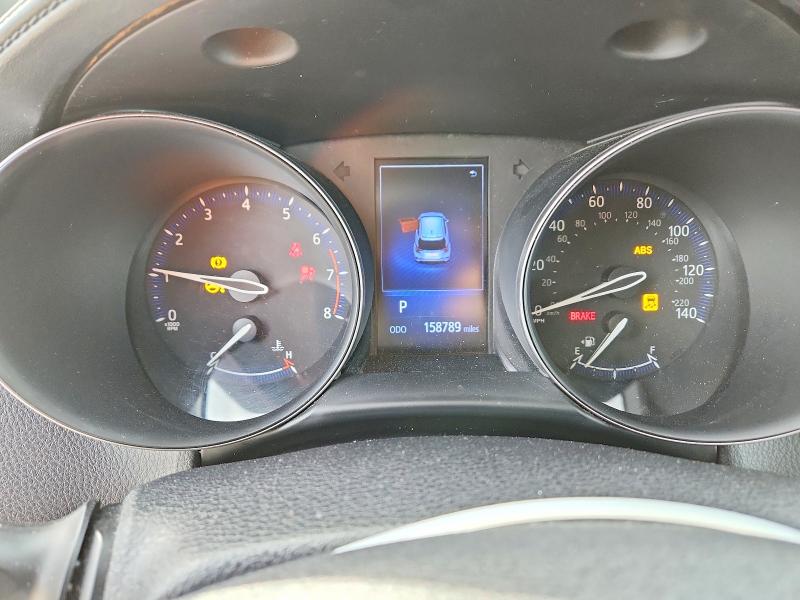
The vehicle’s history reveals a clear path through an American auction channel, indicating it was likely recovered from a repossession or insurance claim process. It was listed on Copart in Dunn, North Carolina, during October 2023—its first recorded event—with an odometer reading of exactly 255,545 kilometers (158,789 miles). At that time, the vehicle carried a clean title (NC – Clean Title), confirming no salvage or flood history was reported in official records. The listing described it as "Run & Drive," meaning it started and operated normally at auction.
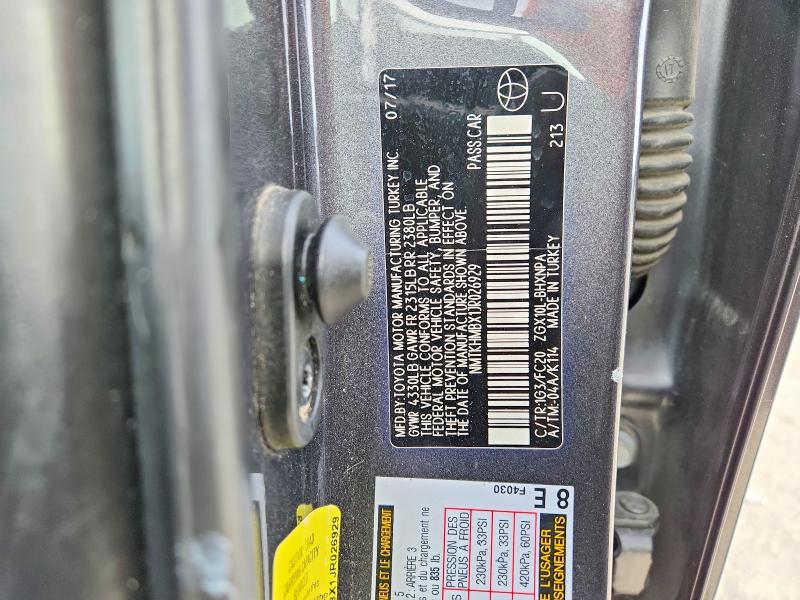
The vehicle’s condition was rated as “4” on Copart’s scale—indicating general usability with visible wear but no critical mechanical failure preventing operation. It was sold for $5,200 USD in the auction, a price consistent with similar 2018 C-HRs in this mileage range when factoring in regional demand and market saturation. The VIN (NMTKHMBX1JR026929) confirms it was manufactured at Toyota Motor Manufacturing Turkey’s facility in Arifiye, Turkey—specifically under the ZGX10L series for the XLE/XLE Premium trim.
Damage information is marked as "Unknown" with a dash, suggesting no specific impact or structural damage was documented by Copart during inspection. Airbag status remains unreported, but the absence of any recall alerts or frame-related issues in the database supports the notion that this vehicle survived its prior life without major collision events. The final date listed (March 8, 2026) appears to be a placeholder or system error and should not be interpreted as an actual future event. Overall, the history reflects a responsible lifecycle with no red flags beyond standard wear at high mileage.